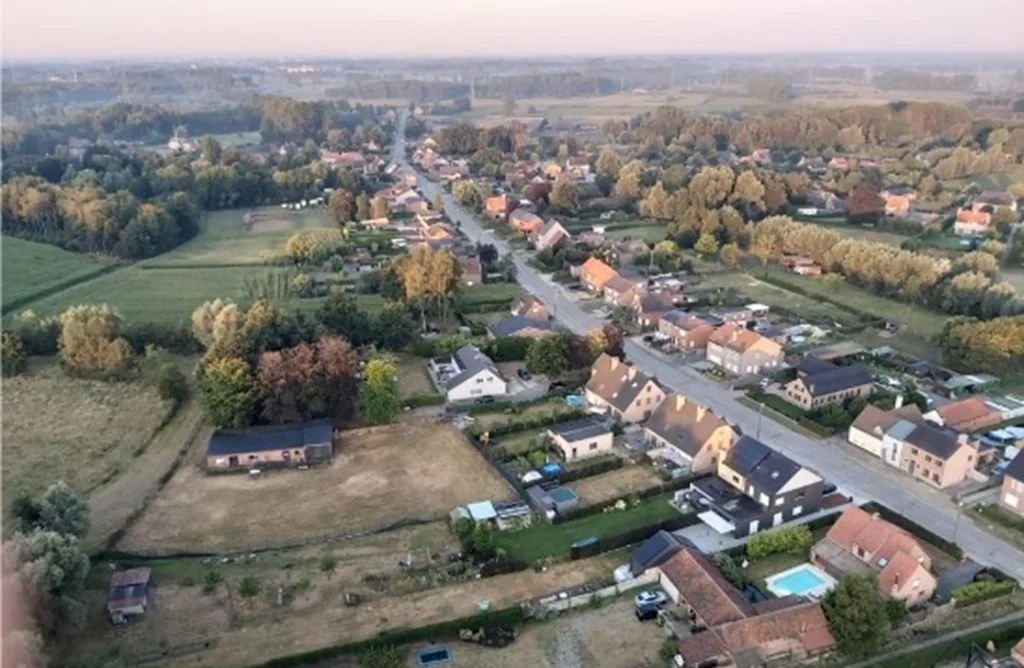
Pajottenland is a rural region situated directly west of the Brussels Capital Region, within the province of Flemish Brabant. It forms a prototypical case of an intermediate territory shaped by agricultural land uses, dispersed villages, and a landscape of mixed productivity and residential settlement. Despite its proximity to a central metropolitan hub, Pajottenland has retained a predominantly rural character, defined by a mosaic of farmland, open spaces, and small historic centres. However, urban pressure, demographic shifts, and structural transformations in agriculture are reshaping both the material and institutional fabric of the area.
The region is increasingly subject to spatial fragmentation, land-use conflicts, and infrastructural underinvestment, exacerbated by the lack of strong metropolitan governance integration. Local governments and civil society actors have responded by initiating innovative territorial strategies that emphasize sustainability, food systems, and renewable energy. Among these is the “Opgewekt Pajottenland” initiative, launched in 2017 as a bottom-up response to energy transition needs. This regional project has since evolved into a coordinated effort involving municipalities, citizens, cooperatives, and provincial authorities, all working toward the shared goal of energy neutrality by 2040. The project articulates a vision of energy transition deeply rooted in local ecological and social conditions, positioning Pajottenland as a laboratory for rethinking rural development through energy innovation and participatory planning.
The PED approach in Pajottenland builds on the foundational work of “Opgewekt Pajottenland,” which redefines Positive Energy Districts not as spatially bounded urban clusters but as distributed energy ecosystems embedded within a productive rural landscape. The concept of agricultural PEDs emerges here as a hybrid model that combines decentralized renewable energy production with community-based governance and integrated land-use management. Key strategies include the installation of photovoltaic systems on agricultural buildings, anaerobic digestion of organic waste for biogas production, and the promotion of local energy cooperatives. A particular focus is placed on aligning energy infrastructures with agro-ecological practices, ensuring that energy production does not compete with food production or landscape quality.
The governance model is based on a multilevel partnership involving local municipalities and citizen associations, with technical support from academic and policy institutions. Co-design methodologies are employed to identify opportunities and barriers, co-produce energy scenarios, and ensure social legitimacy of interventions. The PED implementation process also engages with regulatory frameworks at regional and national levels, particularly in relation to land-use planning, agricultural subsidies, and grid integration. Notably, the project adopts a territorial lens that views PEDs as instruments of spatial cohesion, aiming to mitigate urban-rural divides and support the resilience of rural communities facing demographic and climate challenges. The evolving model offers a scalable reference for similar peri-urban territories across Europe.
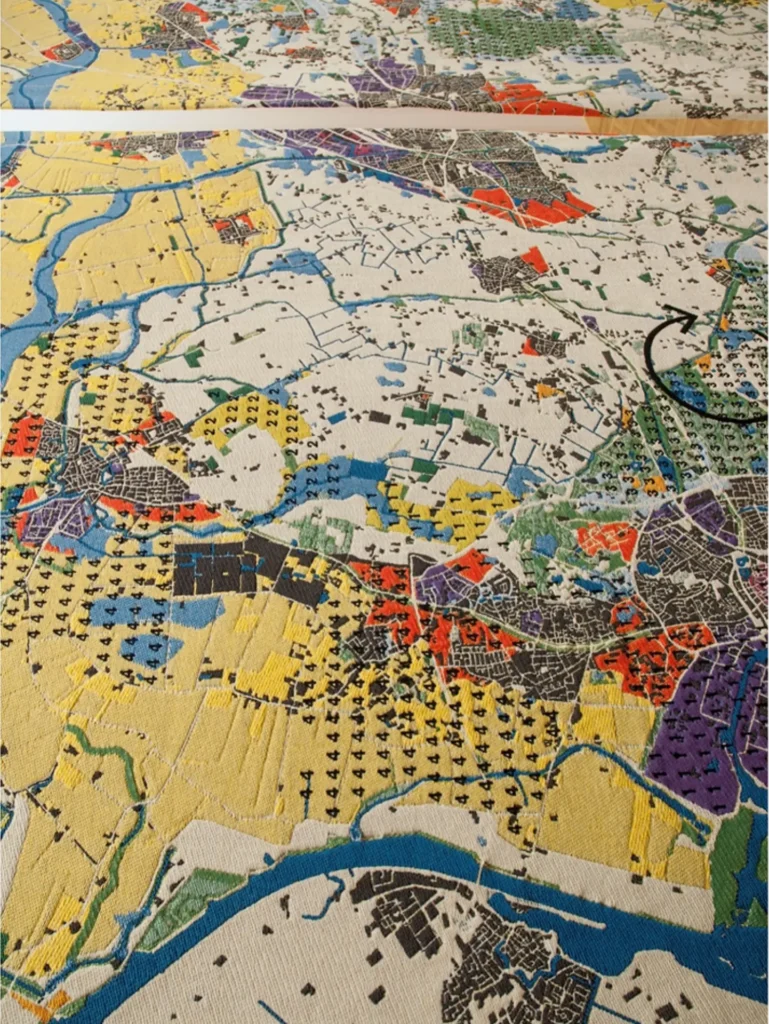
The project also aims to build institutional capacity and foster new alliances among farmers, residents, and policymakers, facilitating long-term adaptation to climate and market shifts. One anticipated challenge lies in balancing the multifunctionality of rural land—between energy, food, and heritage—while avoiding socio-environmental trade-offs. The project’s participatory and integrative methodology is designed to mediate such tensions through deliberative processes and scenario-based planning. Ultimately, Pajottenland is positioned as a European reference for how PEDs can contribute to the climate transition in rural intermediate regions, offering a grounded alternative to metropolitan-centric energy planning paradigms.
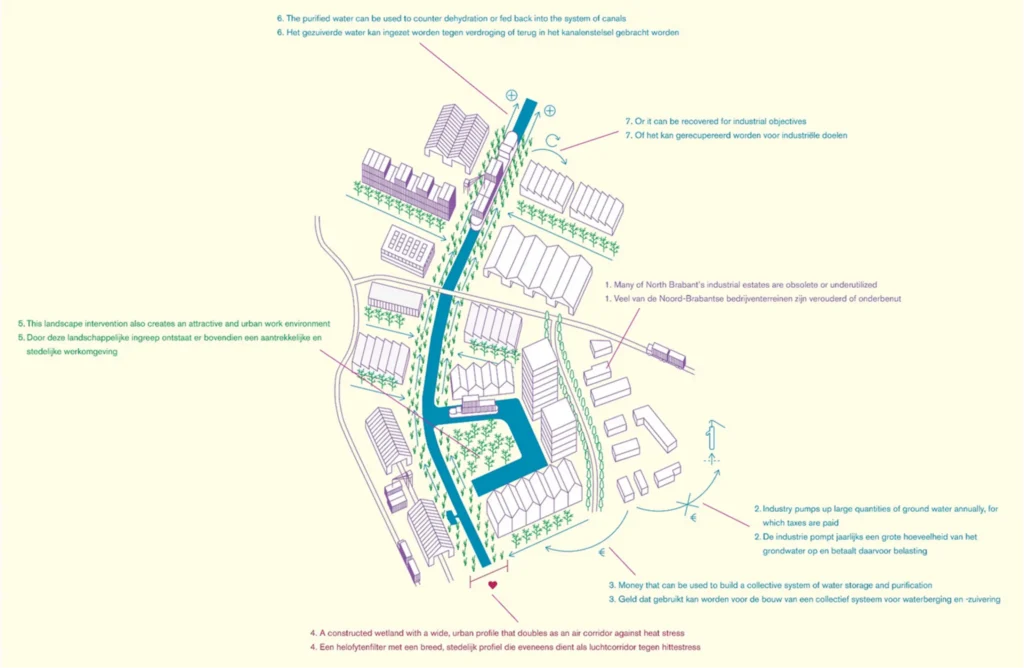
Expected outcomes in Cusio include the co-development of PED models tailored to intermediate territories, which will contribute to both energy transition and territorial regeneration. The project aims to produce spatially embedded strategies that integrate decarbonization goals with broader socio-ecological priorities, such as landscape preservation, public space requalification, and heritage reuse. Key outputs include territorial energy scenarios, participatory governance frameworks, and site-specific design guidelines, all co-produced through living labs and stakeholder workshops.
The Cusio case also serves as a testing ground for assessing the replicability of PED strategies in similar contexts across Europe. Particular attention is given to evaluating implementation conditions and to identifying levers for policy innovation. The initiative seeks to bridge the gap between regional planning instruments and local energy practices, fostering a culture of energy citizenship and inter-municipal cooperation. Among the anticipated impacts are the activation of community energy initiatives, improved integration of dispersed infrastructures, and the valorization of disused industrial assets for renewable energy production.
Furthermore, by anchoring energy strategies in the specificities of place, the project aims to reduce energy poverty, strengthen territorial identity, and promote environmental justice. Challenges include the complexity of coordinating actors across scales and sectors, overcoming institutional inertia, and ensuring long-term sustainability of the interventions. Nevertheless, the Cusio case has the potential to demonstrate how PEDs can act as catalysts for holistic and equitable transitions in peripheral and semi-rural regions.