




InterPED is a research project funded by the DUT – Driving Urban Transitions partnership within the PED Transition Pathway.
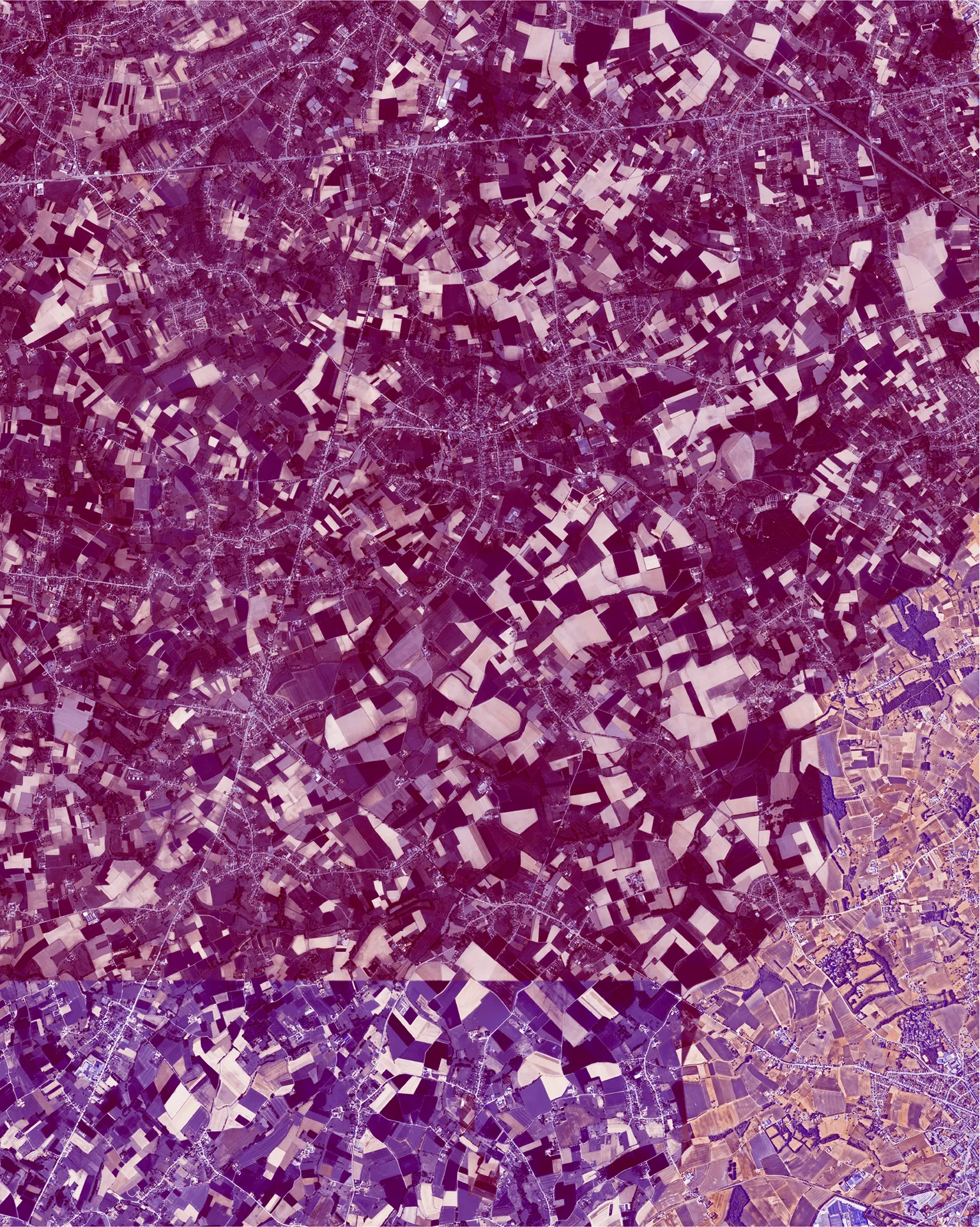
InterPED addresses a key challenge in Europe’s green transition: how to implement Positive Energy Districts (PEDs) not only in dense metropolitan areas but also in the often-overlooked intermediate territories – heterogeneous areas composed of small towns, peri-urban and dispersal settlements, and productive landscapes. Representing over 40% of the EU population and nearly half its surface area, these territories are central to achieving climate neutrality and territorial cohesion.
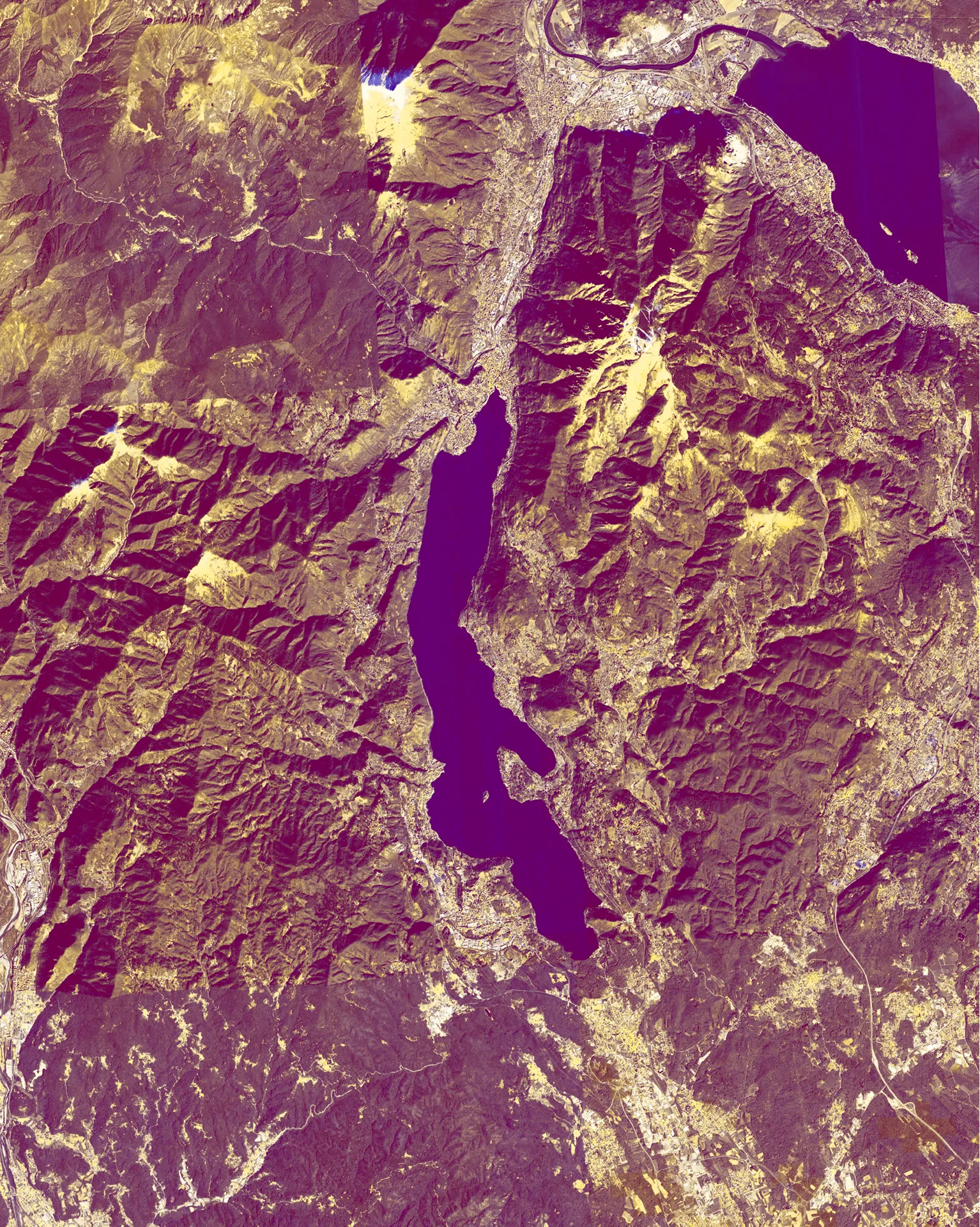
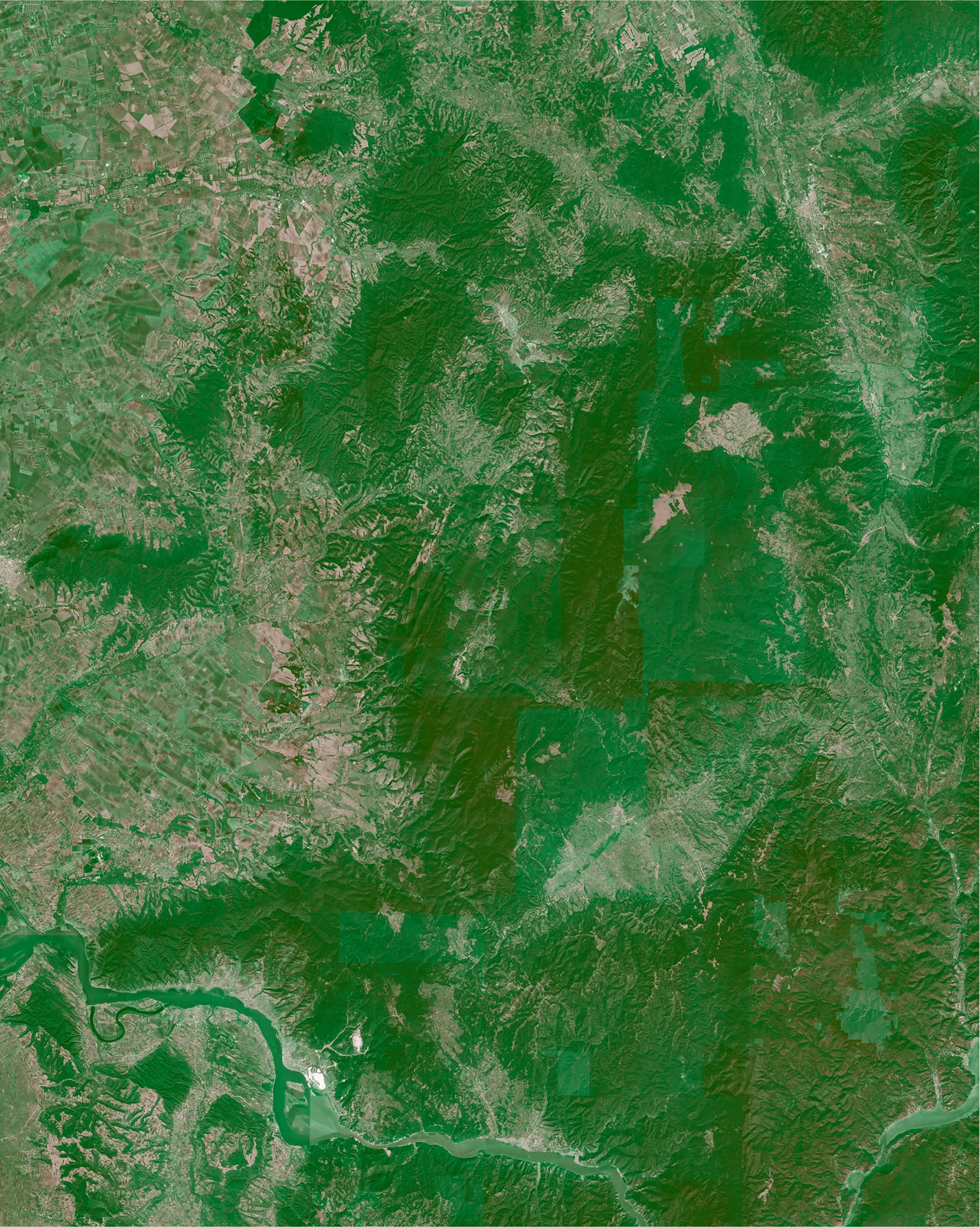
Building on previous research and ongoing initiatives in Belgium, Italy, Romania, and Portugal, InterPED develops feasible, inclusive, and context-sensitive strategies for PED implementation. These strategies are co-produced with local and regional stakeholders through a transdisciplinary methodology and co-design processes that integrate energy planning, governance models, policy innovation, and socio-spatial regeneration.
The project aims to deliver actionable tools and territorial scenarios for energy transitions in diverse intermediate contexts through a combination of situated experimentation and international knowledge exchange. InterPED ultimately positions Europe as a global reference for the socio-ecological transition.